 English
 O'zbek
 Русский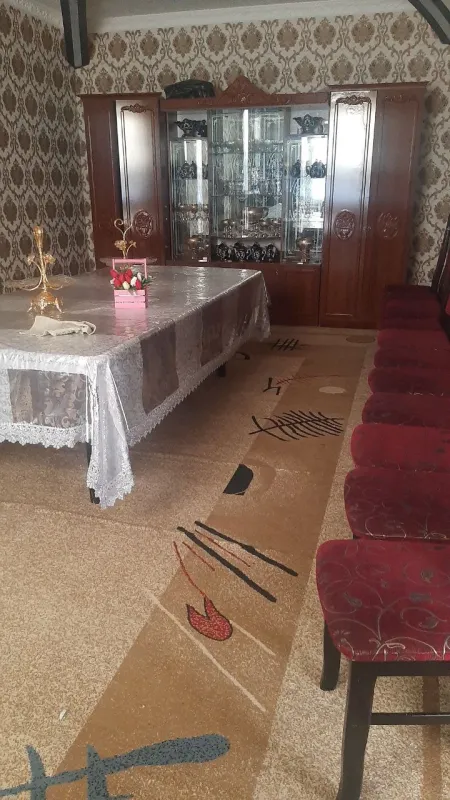
Description
Foods
cuisine
Moshkhorda
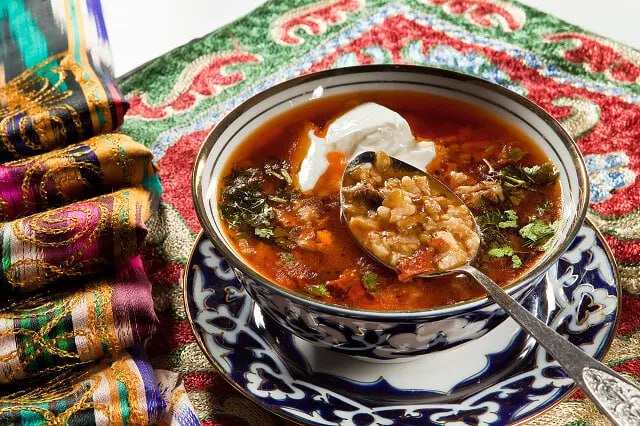
Moshkhorda is a liquid dish made with rice and mash. This name is derived from the Tajik word mosh, which means "round, dark green grain of a leguminous plant" and the past participle form of the verb khordan, which means "eat-drink". It is composed in the Uzbek language and means "liquid food made from rice with mash". According to the ingredients and the method of preparation, there are types of mashkhorda with minced meat, mashkhorda with meat, and mashkhorda with skin. Ancient healers used this food as a diet that relaxes the nerves, clears the eyes, reduces bile, and cools fever by sweating well. The native land of mosh is India, it is widespread in Asia and Africa, but it is not cultivated in America and Europe. In these places, it is called "small brown peas of Asia" or sometimes called "yellow bean". It belongs to the legume family, the grain is dicotyledonous, similar to peppercorns, but round-cylindrical in shape, 1000 grains weigh from 30 to 80 grams. The color can be different: brown, dark green or brown. The best is the dark green one, which is easy to cook, tastes good and has a unique smell. The longer the mosh is stored, the more its color changes to brown, it becomes hard, it becomes harder to ripen, and its taste is reduced. Therefore, mosh cannot be stored for more than one year, the sooner it is used, the better and more useful it is. It should also be noted that in folk medicine, it is said that it is better to eat moshli food in the summer, during the day, it is difficult to digest when eaten in the winter and in the evening, and it boils the stomach. Mosh contains up to 45-50% starch and 25-30% protein, which does not remain from meat. Because of this, moshli dishes are very tasty and nutritious. Mosh also contains up to 2-4% fat, various mineral salts and some medicines. The following thoughts of Abu Ali ibn Sina about mosh are very valuable for us: "Mosh. Its grain is close to that of a large bean. The best time to eat it is summer. Humidity and dryness are moderate. Peeled mosh is temperate, unpeeled is prone to dryness.
cuisine
Samsa
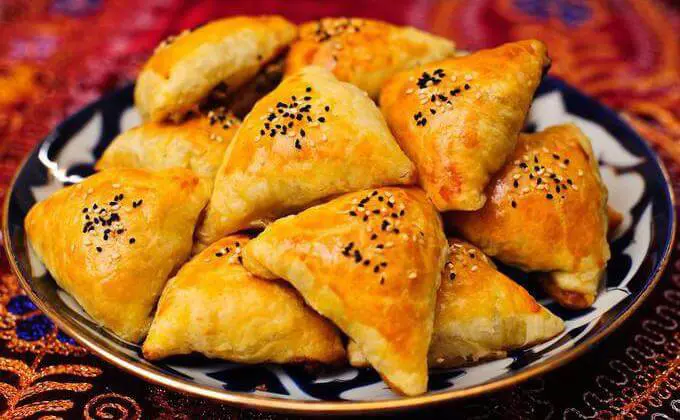
In Uzbek cuisine, somsa is mainly prepared in a round shape, closed in the oven. Nowadays, they are also cooked in triangular and square shapes in gas ovens. To prepare somsa, dough is made from wheat flour and jilt is made. Somsa is often served with vinegar and tomato sauce, and Jizzakh somsa is sprinkled with vegetable oil. Just as hot dogs are sold on the streets of European countries, somsa is closed in portable ovens and sold on the streets and markets in the residential areas of countries such as Uzbekistan, Kazakhstan, Tatarstan, and Kyrgyzstan. For some types of somsa, where meat is used, the dough is made with raised and sometimes unraised dough, sprinkled with namakob on the heated oven (in some cases, the oven is greased) before being put in the oven. Depending on the ingredients of the somsa, there are different types of somsa in the farm, such as somsa with meat, leafy somsa, blue somsa, pumpkin somsa, mint somsa, and potato somsa.
Desert
Shirguruch
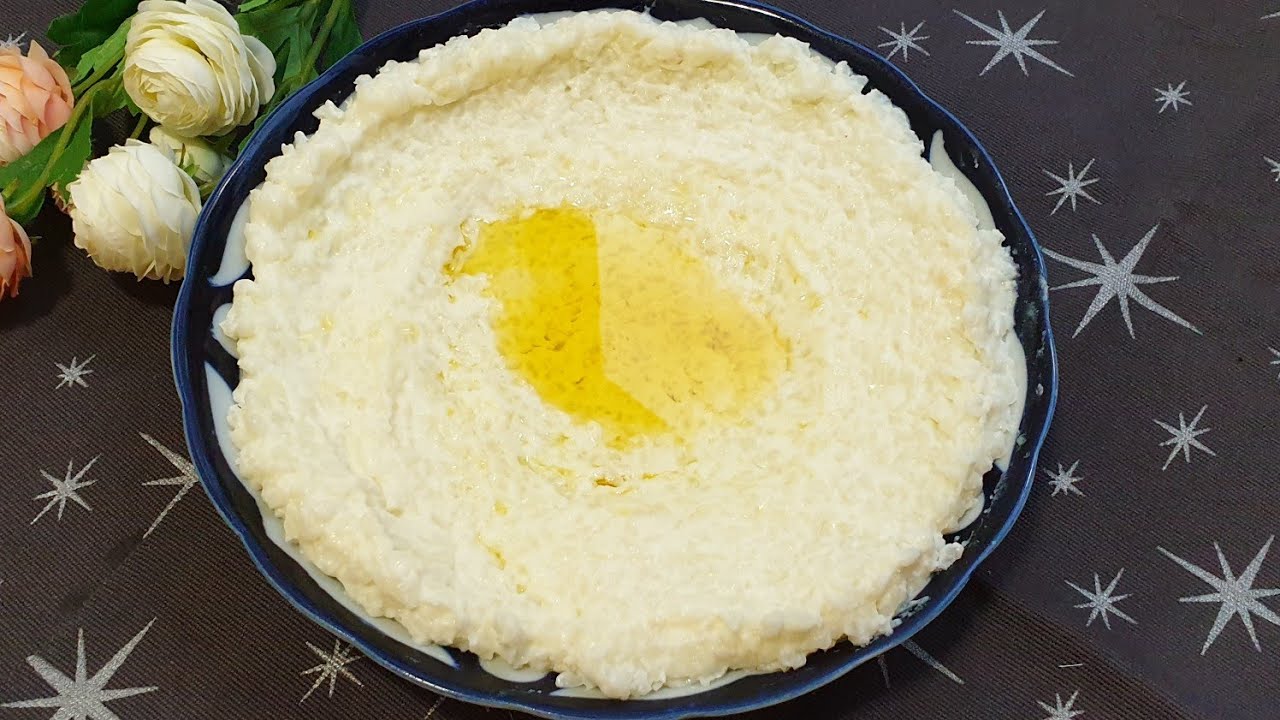
Shirguruch is a thick dish made from milk and rice. Rice is cleaned and washed 3-4 times. When the water in the pot boils, add rice and a little salt. When the rice is half cooked, milk is poured. The milk should be poured into the rice 3-4 times depending on its absorption, and the food should be stirred continuously. When the rice is crushed and the milk is completely absorbed, the food is ready. Ready shirgurin is put on a plate, put on the surface of butter (sometimes sugar) and put on the table.
Conveniences
- Public transport
- Street parking
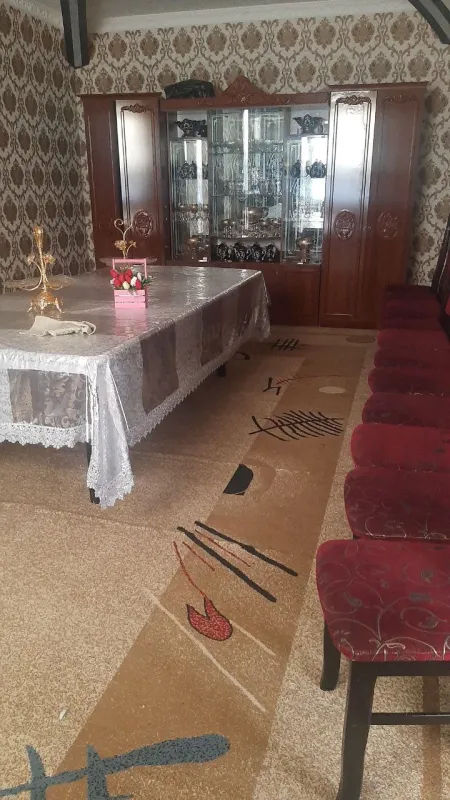
- Family friendly
- Air conditioning
- Heating system
- Popular places
- Garden
- Tandoor
- Tapchan
Location
Reviews (0)
Add Your Review
The owner of the apartment
Zuhraxon Xayrullayeva Ahmad yassaviy mahallasi.Beruniy kòchasi 34.
- Samarkand, Payarik district
- +998997181294
- Zuhraxon@gmail.com
- Certainly! Here's another one: "Come and relax in my peaceful home. I look forward to sharing my hospitality and tasty homemade dishes with you. Enjoy your visit!"

EATEN.UZ
Welcome to Eaten.uz – Where Tradition Meets Taste! Eat, enjoy, and enrich your life with Eaten.uz!